Hair Restoration for Different Types of Hair Loss: What Works Best
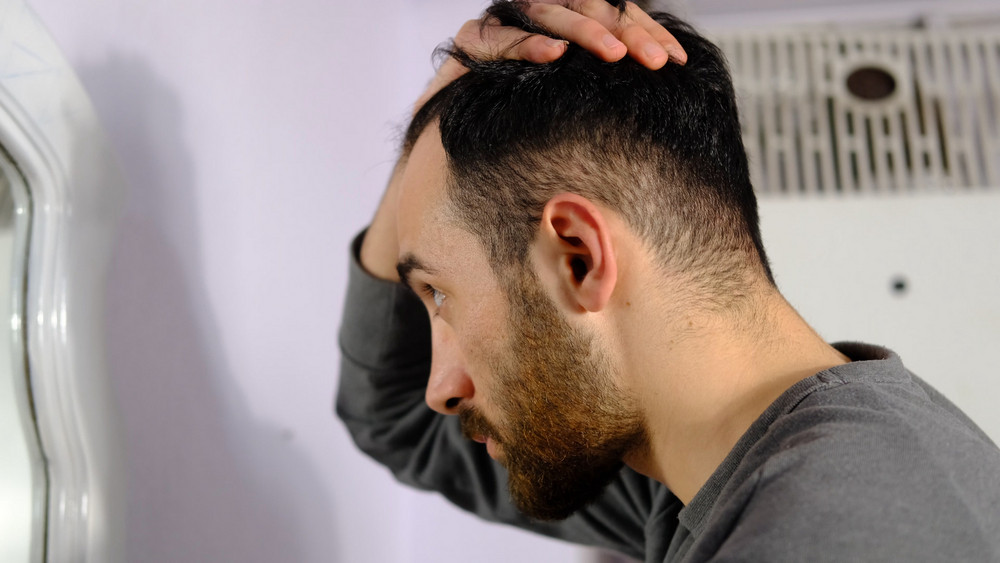
Hair loss can be a distressing experience for many individuals, affecting self-esteem and confidence. In fact, according to Harvard Health Publishing, on average, a person naturally loses around 50 to 100 hairs daily. However, when shedding exceeds this range due to causes such as genetics, stress, and medical conditions, understanding the different types of hair loss becomes crucial for determining the best restoration solution. Let’s explore effective hair restoration methods tailored for different types of hair loss and discuss how to treat hair loss with options that may work best for you.
Treat Genetic Hair Loss With Surgical Solutions
Androgenetic alopecia, commonly known as male or female pattern baldness, is the most prevalent form of hair loss and is primarily driven by genetics. When evaluating how to treat hair loss caused by pattern baldness, surgical hair restoration techniques like Follicular Unit Transplantation (FUT) or Follicular Unit Extraction (FUE) show promising results. These procedures involve transplanting hair follicles from denser areas to the thinning or balding areas, offering a permanent solution.
Manage Temporary Hair Loss With Non-Surgical Options
For individuals experiencing temporary hair loss due to stress or health conditions such as telogen effluvium, non-surgical treatments may be more suitable. If you’re researching how to treat hair loss tied to temporary triggers, options like topical minoxidil, an FDA-approved over-the-counter solution, can help stimulate hair growth. Additionally, maintaining a healthy diet and managing stress can significantly influence hair regrowth and serve as recommended complementary approaches.
Target Autoimmune Hair Loss With Targeted Therapies
Autoimmune conditions such as alopecia areata present a unique challenge in hair restoration, as they lead to sudden loss of hair in patches. Corticosteroid treatments, administered either topically or via injections, are often used to suppress the immune reaction and encourage hair regrowth. Recent advancements in JAK inhibitors have also shown promise, offering hope for individuals battling this condition. It’s always advised to consult with a dermatologist to tailor a suitable treatment plan.
Determining the underlying cause of hair loss is essential in choosing the most effective restoration method. Whether it’s genetic, stress-induced, or autoimmune-related, there are a variety of options available, ranging from surgical to non-surgical treatments. Ready to restore your natural hairline and boost your confidence? Contact LA FUE Hair Clinic today to schedule your free consultation with our expert team!